Dear friends,
What do ancient pyramids and modern smartphones have in common? Both rely on images with deep meaning: pictograms. In high school history classes on ancient civilizations, teachers often introduced hieroglyphs—stylized pictures of objects that represent words, syllables, or sounds, as used in ancient Egypt and other cultures like the Maya. Emojis offer a simplified echo of this tradition. Humans have long used pictures to communicate, from street signs and smileys to more intricate systems where symbols stood for words, sounds, objects, or ideas.
Hieroglyphs vs. Emojis
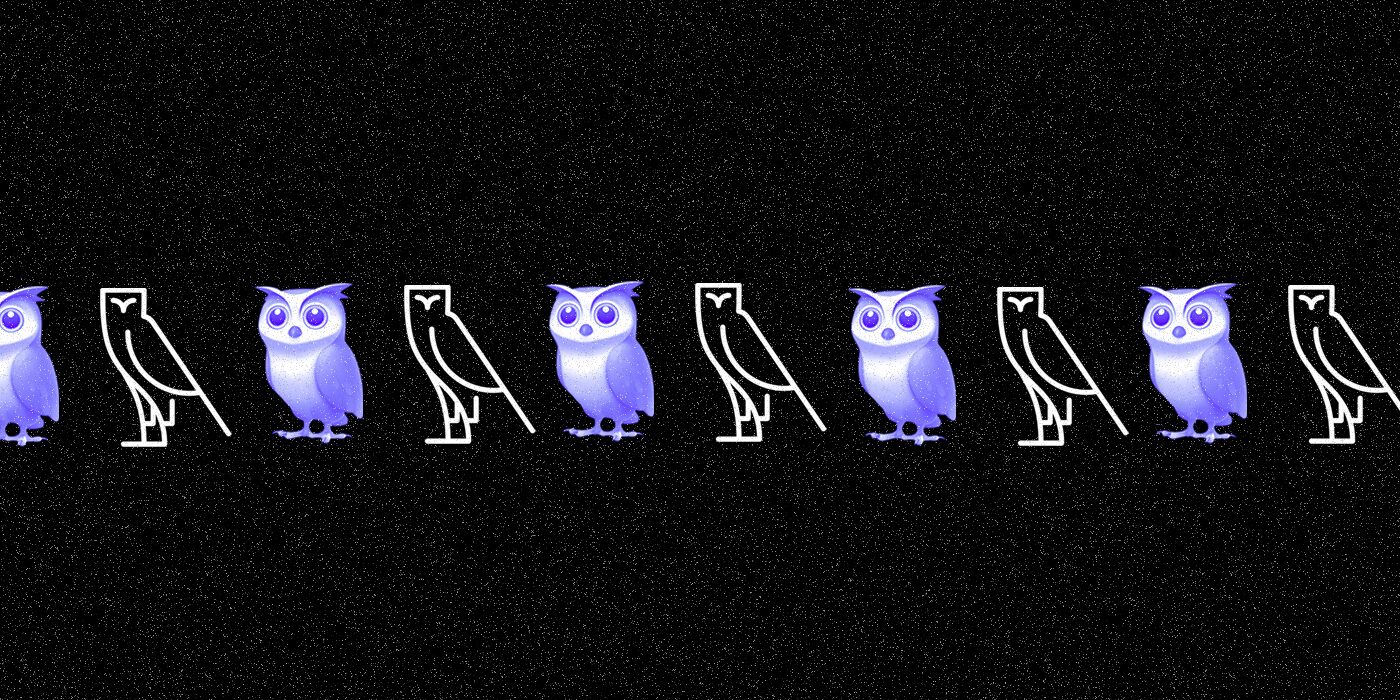
Hieroglyphs varied greatly across civilizations. Egyptian hieroglyphs, for example, formed an extremely complex system where images worked together. A sun glyph did not just mean “sun”—it could represent the word itself or part of another word based on sound. The iconic owl glyph (𓅓) stands for the single sound “m,” much like a letter in the alphabet, with many applications.

Hieroglyphs combined logograms (symbols for words), phonetic signs (for sounds), and determinatives (to clarify meaning). Reading them involved more than viewing pictures—it was like solving an ancient puzzle where images and sounds intertwined.
Emojis lack even half the complexity of hieroglyphs, yet their use has spread widely in contemporary culture—sometimes excessively—and some have gained global recognition. Philosopher Charles Sanders Peirce classified signs into three types: iconic, indexical, and symbolic.

- A sign is iconic when it resembles what it represents.
- A sign is indexical when it points to or connects directly to its object.
- A sign is symbolic when its meaning arises from convention or agreement.
Emojis, this type of pictogram, incorporate all three. An eggplant emoji is not always just an eggplant—it depends on context, much like certain hieroglyphs.

A Timeless Human Tradition
Emojis cannot match the sophistication of Mayan or Egyptian writing systems today, but it is natural to wonder about pictograms in a century. Will emojis evolve into a communication standard, gaining universal meaning? At first glance, they appear as simple pictures, but they serve as visual shortcuts for emotion, tone, or context that text alone often misses. Emojis are digital body language. Adapted to our fast-paced lives, short attention spans, and fleeting retention, emojis are what humanity was craving for.

Curiosity killed the cat
They cannot be compared to hieroglyphs—that oversimplifies the difference. Emojis add emotional nuance and bridge language gaps without full grammar or syntax, their existence is connected to human behavior, and we can imply that their roots are as ancient as the pyramids in Giza. Imagine archaeologists in 3050 CE decoding an ancient iPhone: Are emojis the hieroglyphs of tomorrow?

Humans have always used images to enrich storytelling and connection—from the equestrian paintings in Lascaux caves, to hieroglyphs, standardized wayfinding, and now emojis. They may not supplant grammar, but they convey subtle moods and expressions words sometimes overlook.

Next time you add a smiley or sun emoji to a message, remember you join a lineage thousands of years old—channeling ancient scribes and dismantling language barriers one icon at a time. Nothing comes from nothing.
Yours truly,
A Type Of Camila.
Since you are really into typography and history, you might be interested in these other articles and resources:
Futura Typeface: Top 4 Reasons Why It Shaped History
EB Garamond: History, Best Uses and Other Great Alternatives