
Dear amigo,
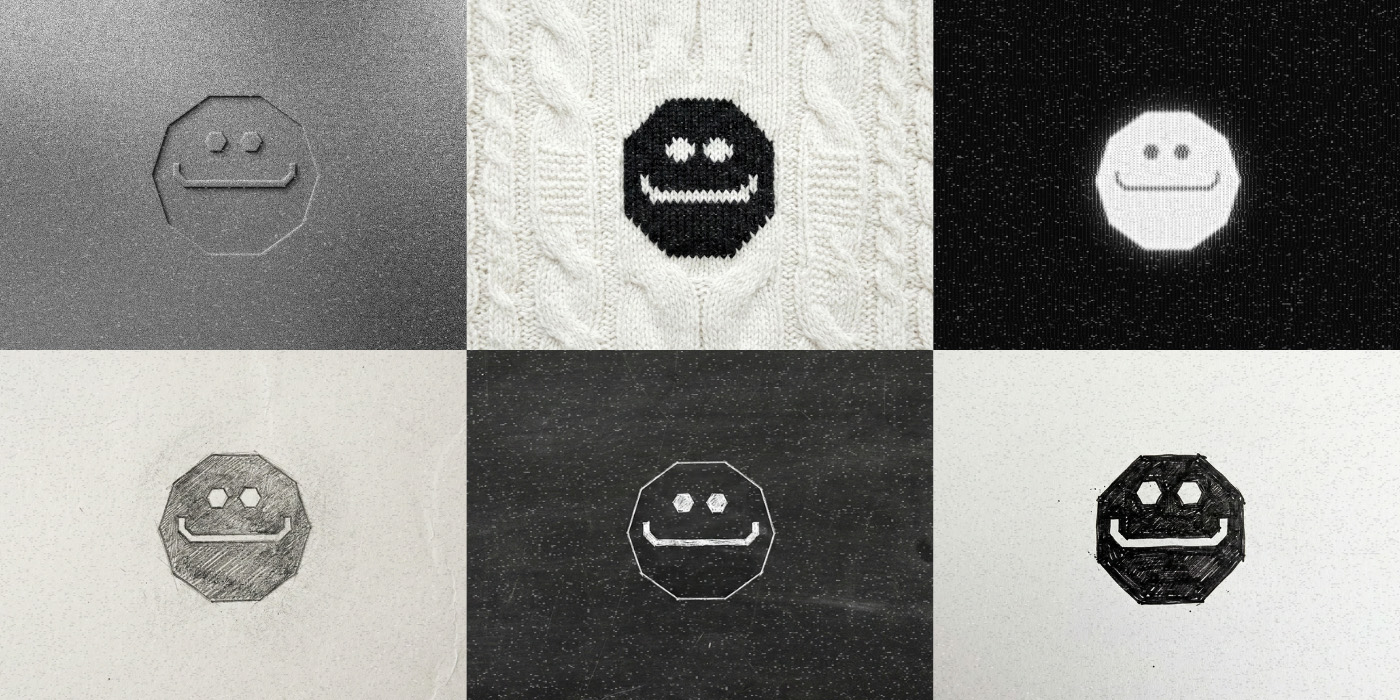
As we go through this interesting time where digital spaces are more important in real life than ever, there is a growing trend of establishing a battle between analog vs. digital: the appeal returning to offline activities, hobbies, and appliances has pervaded the virtual seams. This is thanks to a mix of ever-standing nostalgia, the uneasiness brought by the advent of AI, and the need to feel something more “alive.” But is it actually happening?
You’ve probably seen social media videos lately where different people say we have to return to analog photography, embrace music created and played far away from the computer, and go back to hobbies away from the digital—diving into nature and craftsmanship. Is this trend really sincere? Are they willing to go totally offline, even if that takes away their platform? I personally think that in this current age, there’s a clear dilemma in this analog vs. digital showdown. Today, I want to address this paradox and how it precisely impacts the way we experience “the internet.”
Back to Simpler Times

Life before and after the current panorama can be defined by the explosion of the so-called “Web 2.0” with the rise of social media. Generally, before this, the internet was perceived in a more practical way—as a tool itself, instead of the table that carries and puts said tools in front of you now.
For example, search engines were far simpler when it came to indexation, and personal websites felt more like an addition to everyday life instead of a direct extension of it. Of course, everything was far from perfect, and there were a lot of issues back then that later accentuated in subsequent years. But the vision at the time was different: It was a time of moving forward and discovering the capacities of the World Wide Web. And that’s only covering the nostalgia for the digital past.
An Idealized Past

Envisioning a world before the internet feels nearly impossible. For starters, most of the time that you see a representation of the past, it’s an idealization of it—a version masked in rose-tinted glasses for someone. The 70s and 80s you see on TV and in cinema are like that. So is the simpler past that people long to reclaim by preaching a “digital-free” utopia.
Analog inventions made before the acceleration of the internet in our lives—like personal printers, personal computers, disposable cameras, or portable music players (all of these were mostly made or popularized in the 80s, can you believe it?)—were created with a goal that we still strive to achieve in our era: to make life a little bit easier, and that’s why the idea of an analog vs. digital division can sound far-fetched sometimes.
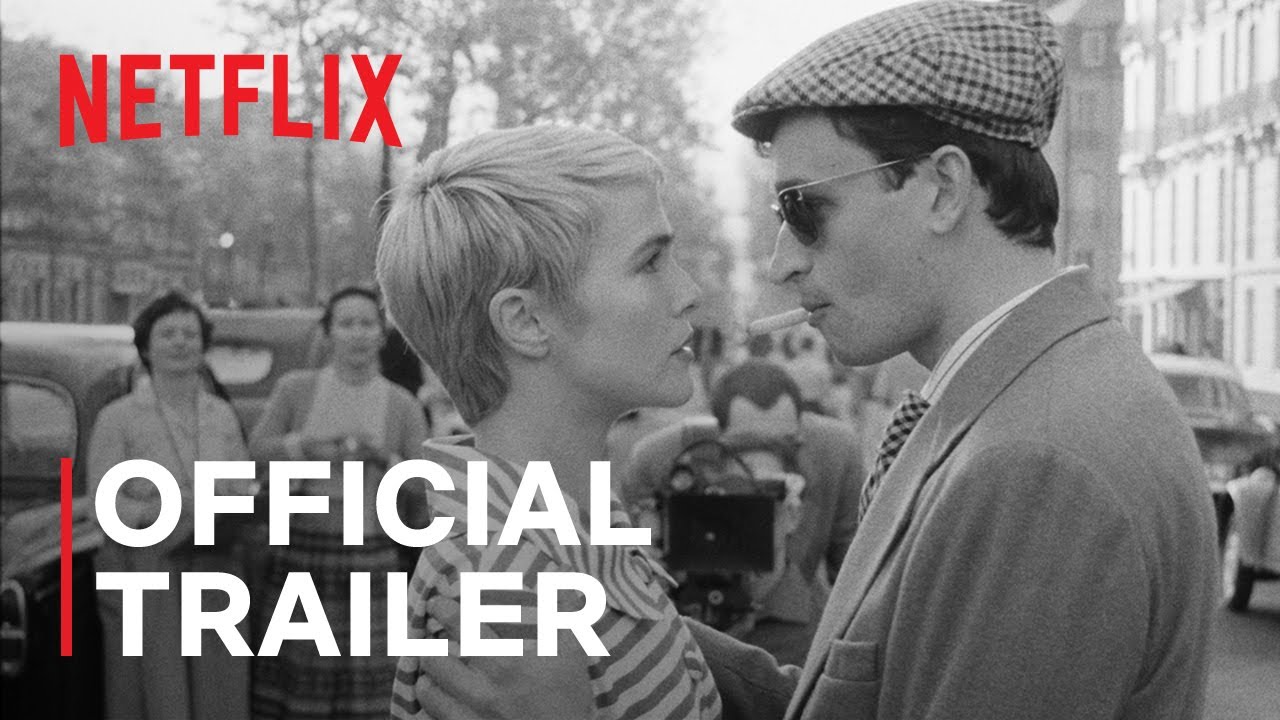
Besides, it’s great to use traditional methods when creating; that can lead to exciting new discoveries. You can see it in a lot of things: Yorgos Lanthimos’s main collaborator, Vasilis Marmatakis, loves using traditional elements in his craft. Or when Richard Linklater makes a movie like Nouvelle Vague with old Kodak film material as its medium:
However, it’s also important to remember that without the progress of the last 20–30 years, careers like film, graphic design, or illustration would be harder to access from your own home and resources.
Escaping the Simulation

Today, we cherish what feels human-made, stepping away from what is—or feels like—machine-generated. We want to be reminded we’re still at the heart of it all. It’s gotten to such a distorted point that even AI is being prompted to imitate that and be put between the analog vs. digital roads. But the harsh truth is that such an analog past, where everything was made for the sake of being analog itself, probably wasn’t even there in the first place. Its goal was still innovation in the end when it came to creating in several areas like art, tech, and marketing. So, what’s left is a simulation of an idea that works as escapism from such dire times.
Because of this, I believe we should encourage more people to pick up a pen and start an idea. It’s great that there’s a lot of interest in what came before us in design and other creative areas, as it will allow us to make new creations—and that not necessarily will be all analog, of course not. Unless some earth-shattering event happens, the digital ecosystem is still running. We are a cyborg-like society and the more it seems like this idea of an analog vs. digital rift it’s just that it seems: a trend in the sea of internet topics.
But we can work it out; there’s no need to feel overwhelmed. Remember that at the end of the day, as humans, we are at the center of creation. We are our main audience and inventor. So, hands on—grab your pen and notebook, and bring that idea to life, amigo.
Signed,
A Type of Jesús
Since you are really into creativity, you might be interested in these other articles and resources:
How a Bad Bunny Album took over the world